

On Monday, Chinese Premier Li Qiang chaired a high-level symposium to solicit opinions on two key policy documents: the draft Government Work Report and the draft outline of China’s 15th Five-Year Plan for Economic and Social Development.
Such meetings are a long-standing practice in China’s policy process. Before the Government Work Report is formally presented to the National People’s Congress, senior leaders typically convene representatives from different sectors to gather feedback and calibrate policy priorities.
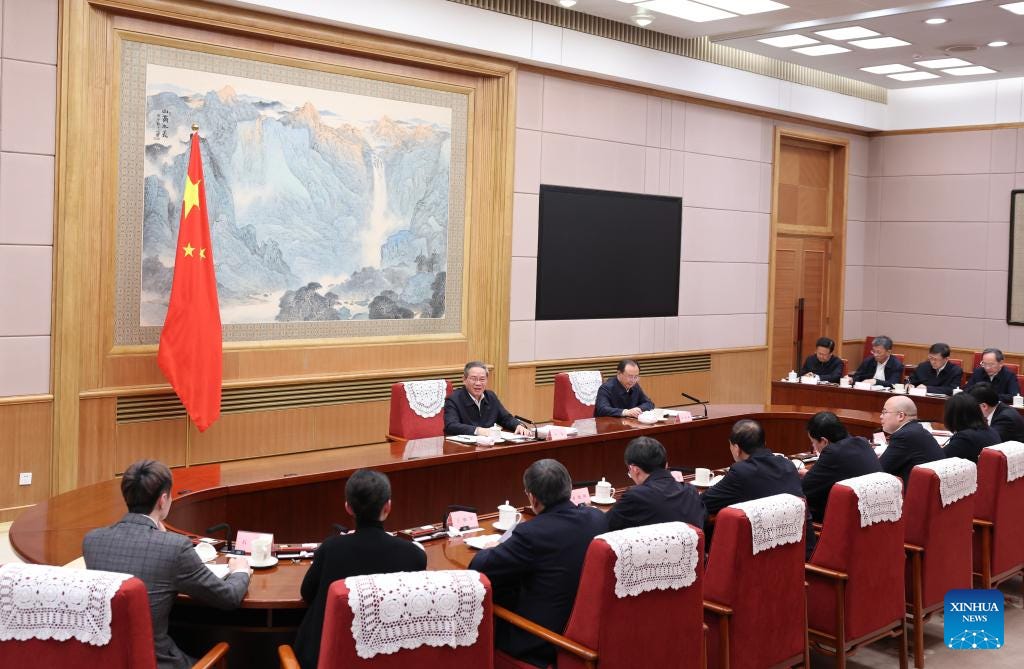
At the meeting, Li urged officials to thoroughly implement the Communist Party of China (CPC) Central Committee’s recommendations for formulating the 15th Five-Year Plan and the decisions made at the Central Economic Work Conference, using the certainty of high-quality development to address the uncertainties in the development environment, and called for a more proactive fiscal policy and a moderately loose monetary policy.
He also highlighted the need to closely integrate pro-people policies with consumption promotion, and combine investment in physical assets with investment in human capital to foster new drivers of economic growth and continuously enhance public welfare.
Nine representatives spoke at the symposium [video]. While official footage has not disclosed what each individual said, Xinhua’s readout notes that the speakers came from academia, the business community, and sectors including education, science, culture, public health, and sports.
On Tuesday, The Paper (澎湃新闻) published brief profiles of each of the nine speakers, drawing on their professional backgrounds and areas of expertise. I found these profiles particularly illuminating in understanding how policymakers may be thinking about the Government Work Report and the upcoming Five-Year Plan. Below, based on The Paper’s reporting, I share short introductions to the nine speakers who took part in this symposium:
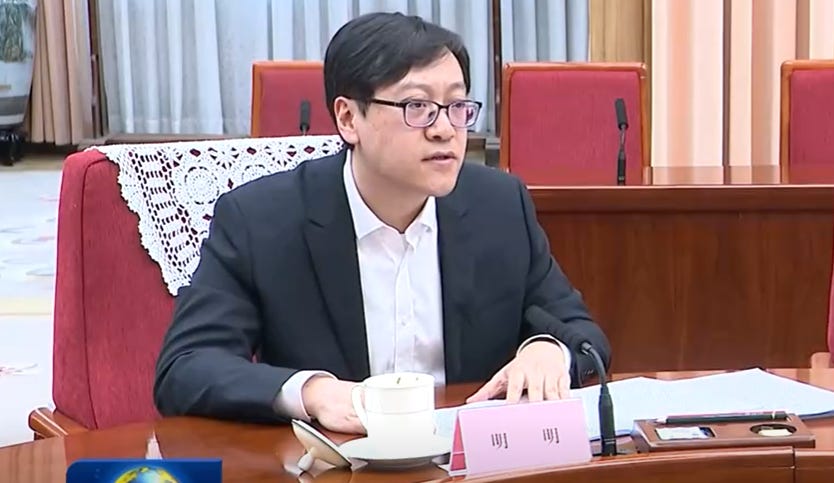
1. 明明 Mingming: He received his master’s degree from the Tsinghua University People’s Bank of China School of Finance (PBCSF) and his PhD from the Chinese Academy of Social Sciences. He previously worked at the Monetary Policy Department I and II of the People’s Bank of China and joined CITIC Securities in 2015. His research focuses on macroeconomics, interest rates, monetary policy, and liquidity.
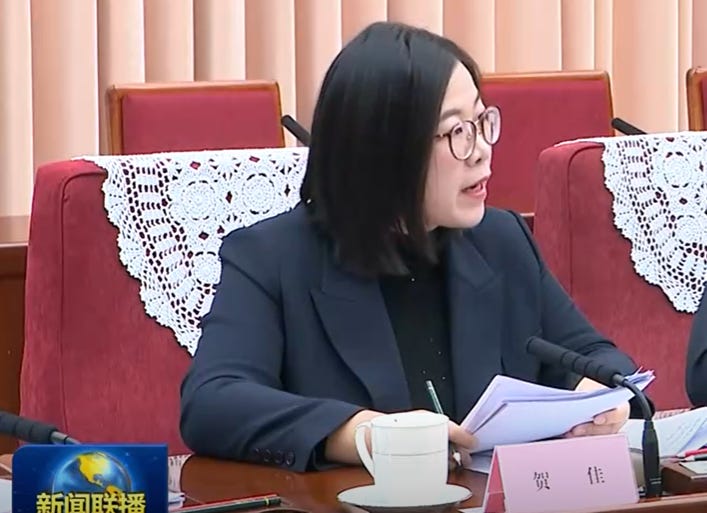
2. 贺佳 He Jia: Professor, vice dean and PhD supervisor of the School of Finance at Nankai University, and a recipient of the Ministry of Education’s National Young Talent Program. She is a Fellow of the Asian Bureau of Finance and Economic Research (ABFER) and one of Nankai University’s “Top 100 Young Academic Leaders.” Her research interests include real estate finance, household finance, and consumer finance.
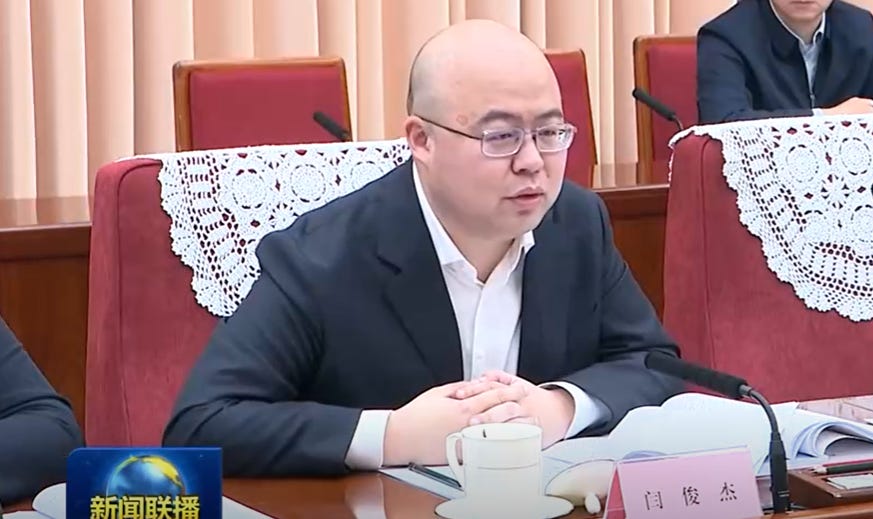
3. 闫俊杰 Yan Junjie: Born in 1989, he serves as CEO of MiniMax and represents China’s large AI model enterprises, making him the second such representative to attend Premier Li Qiang’s symposium after DeepSeek founder Liang Wenfeng. Public information shows that MiniMax was founded in early 2022 and is among the few large-model companies that have focused on full-modality model development since inception. MiniMax was listed on the Hong Kong Stock Exchange on January 9 this year, with a latest market capitalization of nearly HK$120 billion.
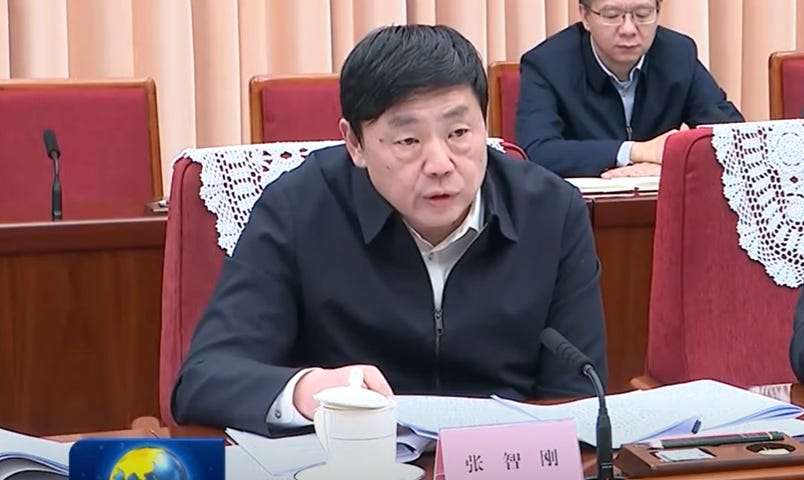
4. 张智刚 Zhang Zhigang: Currently an alternate member of the 20th Central Committee of the CPC, and Chairman and Party Secretary of State Grid Corporation of China.
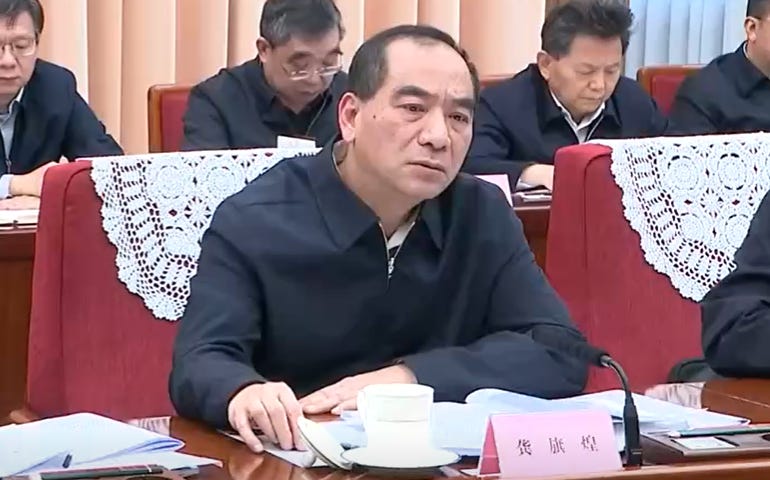
5. 龚旗煌 Gong Qihuang: Currently an alternate member of the 20th Central Committee of the CPC, and the deputy party secretary and president of Peking University.
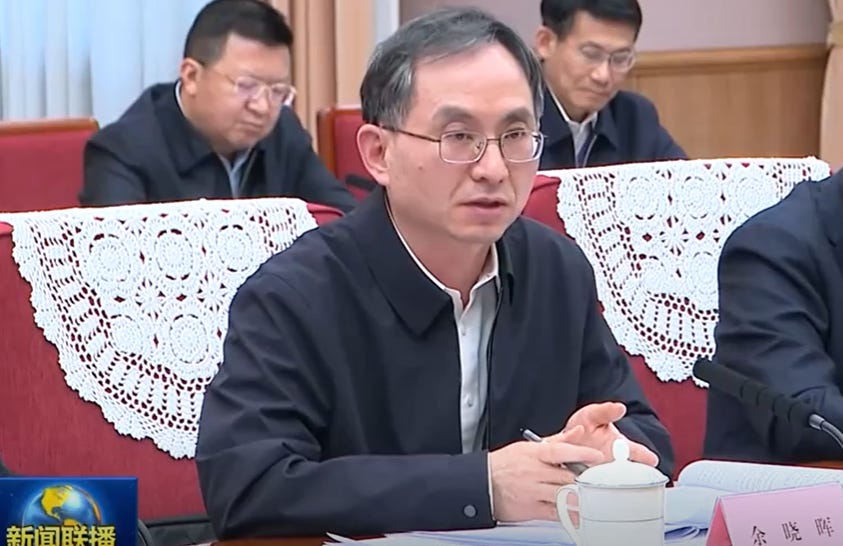
6. 余晓晖 Yu Xiaohui: Member of the 14th National Committee of the Chinese People’s Political Consultative Conference, currently the president and deputy party secretary of the China Academy of Information and Communications Technology, and a senior engineer. He has long been engaged in research on information and communications technology and industry, communication networks, informatization, industrial integration, and the digital economy.
In the 1990s, he focused on communication network simulation, routing technologies, and network optimization and planning. Since 2000, he has led systematic research in areas including the industrial internet, “Broadband China,” the internet and mobile internet, the Internet of Things, digital infrastructure, and digital transformation, helping to promote industrial technological innovation and applications.
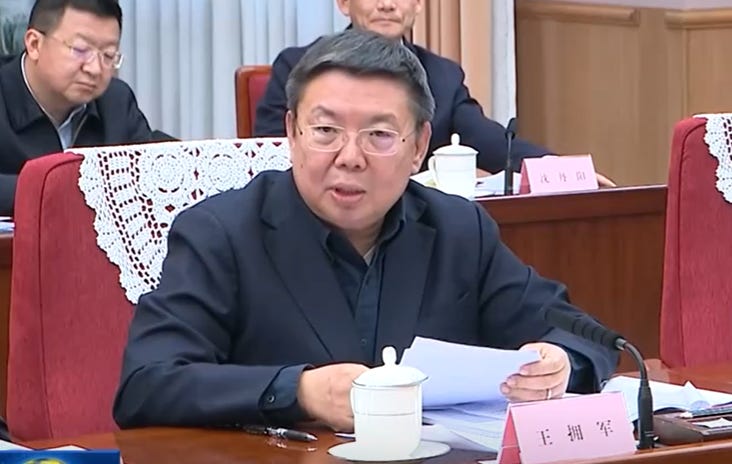
7. 王拥军 Wang Yongjun: Academician of the Chinese Academy of Sciences; deputy party secretary and president of Beijing Tiantan Hospital, Capital Medical University; chief scientist, professor and PhD supervisor of the Neurology Center; director of the National Medical Quality Control Center for Neurological Diseases; deputy director of the National Clinical Research Center for Neurological Diseases; and director of the Department of Clinical Epidemiology and Clinical Trials at Capital Medical University.
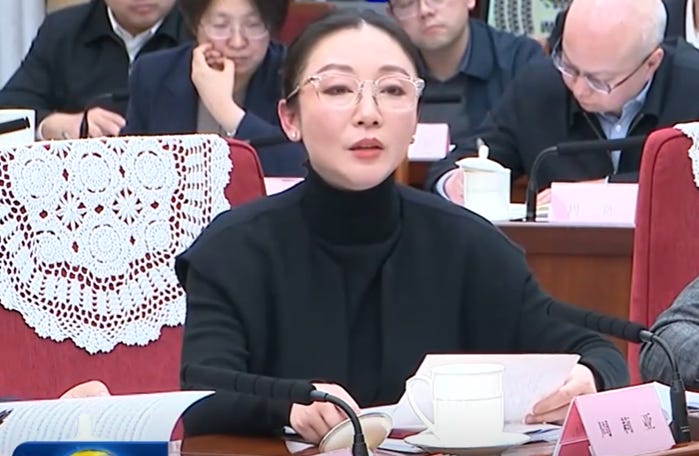
8. 周莉亚 Zhou Liya: Born in 1981, she and her partner Han Zhen are widely known in the dance community as the “Twin Stars of Dance.” They have jointly choreographed and directed dance dramas including A Tapestry of a Legendary Land (《只此青绿》) and The Eternal Wave, and also served as chief directors of China’s 80th Victory Anniversary Commemorative Gala. In 2021, the dance-poetry drama A Tapestry of a Legendary Land, which she co-directed with Han Zhen, became a nationwide cultural phenomenon and a landmark dance IP.
A Tapestry of a Legendary Land (《只此青绿》)
9. 石宇奇 Shi Yuqi: Born in 1996, he is a Chinese men’s singles badminton player and world champion.
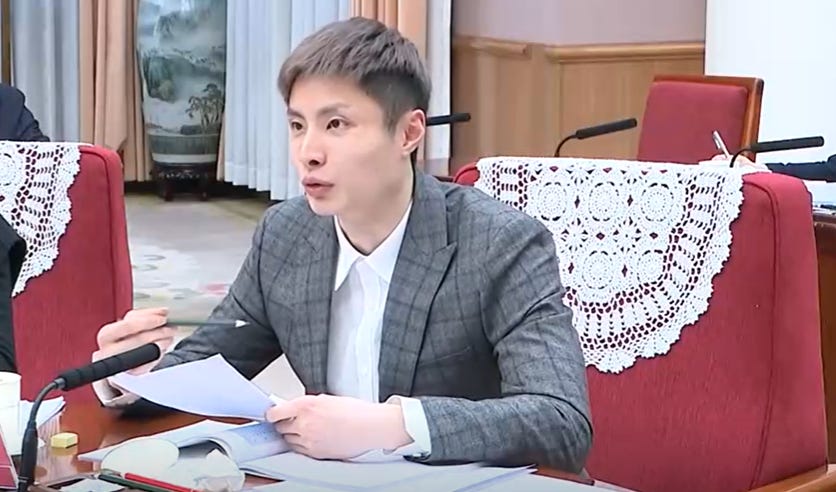
Shi claimed the men’s singles title at the 2025 BWF World Championships, ending a decade-long title drought for China in the event.
Quite an eclectic group!